
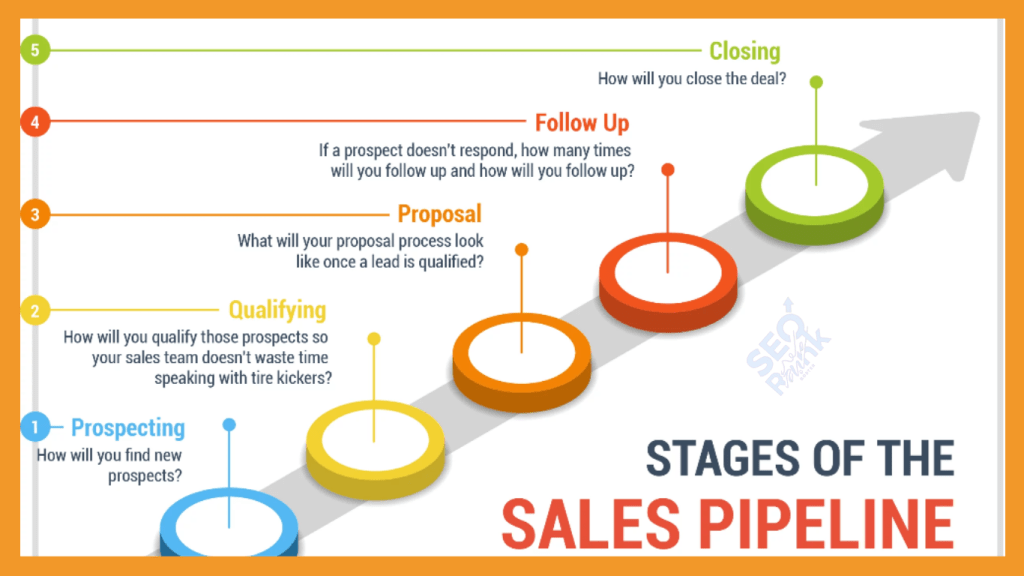
In the realm of sales and marketing, the concept of a sales pipeline is pivotal. It serves as a visual representation of the sales process, illustrating the journey from initial contact with a potential customer to the final conversion into a sale. A well-constructed sales pipeline enables businesses to track their progress, forecast revenue, and identify potential bottlenecks. In this comprehensive guide, we will delve into what a sales pipeline is, its significance, and how to build one successfully.
Understanding the Sales Pipeline
A sales pipeline is a systematic approach to selling a product or service, broken down into different stages. Each stage represents a step in the sales process, from the initial lead generation to closing the deal. The primary stages of a sales pipeline typically include:
- Lead Generation
- Lead Qualification
- Proposal/Quote
- Negotiation
- Closing the Deal
- Post-Sale Follow-Up
Importance of a Sales Pipeline
A well-structured sales pipeline offers several benefits:
- Clear Visibility: It provides a clear view of where each prospect stands in the sales process.
- Forecasting: It helps in predicting future sales and revenue.
- Efficiency: It identifies bottlenecks and inefficiencies in the sales process.
- Performance Tracking: It enables tracking of sales performance at each stage.
Steps to Build a Successful Sales Pipeline
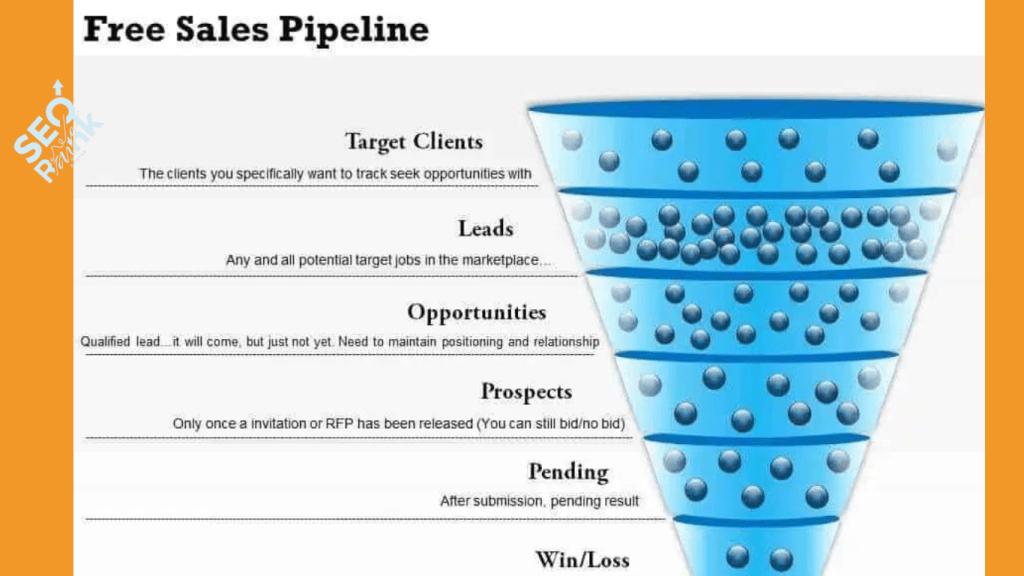
1. Identify Your Target Audience
The first step in building a sales pipeline is to identify your target audience. Understanding your ideal customer profile helps in generating high-quality leads. This involves:
- Market Research: Conduct thorough market research to understand the demographics, preferences, and pain points of your target audience.
- Buyer Personas: Create detailed buyer personas to represent different segments of your target audience.
2. Generate Leads
Lead generation is the foundation of your sales pipeline. Effective strategies include:
- Content Marketing: Utilize blogs, whitepapers, and ebooks to attract potential customers.
- Social Media Marketing: Engage with your audience on social media platforms to generate interest.
- Email Campaigns: Use targeted email campaigns to reach out to potential leads.
3. Qualify Leads
Not all leads are created equal. Lead qualification helps in identifying which leads are most likely to convert. Techniques include:
- Lead Scoring: Assign scores to leads based on their behavior and engagement.
- Surveys and Questionnaires: Use surveys to gather information about leads’ needs and readiness to buy.
4. Nurture Leads
Lead nurturing involves building relationships with potential customers and guiding them through the sales process. Effective tactics are:
- Personalized Communication: Send personalized emails and messages to engage leads.
- Educational Content: Provide valuable content that addresses their pain points and positions your product as a solution.
5. Present Your Proposal
Once leads are qualified and nurtured, it’s time to present your proposal. Key steps include:
- Tailored Proposals: Customize your proposal to address the specific needs and pain points of the lead.
- Clear Value Proposition: Highlight the unique value your product or service offers.
6. Handle Negotiations
Negotiation is a critical stage in the sales pipeline. Successful negotiation strategies include:
- Understand Their Needs: Listen carefully to the lead’s needs and concerns.
- Offer Solutions: Provide solutions and concessions that address their concerns while maintaining your profit margins.
7. Close the Deal
Closing the deal is the culmination of the sales process. Effective closing techniques are:
- Create Urgency: Use time-limited offers to encourage a quick decision.
- Simplify the Process: Make the purchasing process as straightforward as possible.
8. Post-Sale Follow-Up
The sales process doesn’t end with closing the deal. Post-sale follow-up is crucial for customer satisfaction and retention. Strategies include:
- Customer Onboarding: Provide a smooth onboarding process to help customers get started with your product.
- Regular Check-Ins: Maintain regular contact to address any issues and ensure satisfaction.
Optimizing Your Sales Pipeline
To ensure your sales pipeline remains effective, continuous optimization is necessary. This involves:
- Analyzing Metrics: Regularly review key metrics such as conversion rates, average deal size, and sales cycle length.
- Identifying Bottlenecks: Look for stages where leads are getting stuck and find ways to streamline the process.
- Feedback Loop: Gather feedback from your sales team and customers to identify areas for improvement.
Tools to Manage Your Sales Pipeline
Leveraging technology can significantly enhance the efficiency of your sales pipeline. Essential tools include:
- CRM Software: Customer Relationship Management (CRM) software helps in managing leads, tracking interactions, and analyzing sales data.
- Sales Automation Tools: Automate repetitive tasks such as email follow-ups and data entry to free up your sales team’s time.
- Analytics Platforms: Use analytics tools to gain insights into your sales performance and make data-driven decisions.
Conclusion
Building a successful sales pipeline is crucial for any business aiming to achieve sustained growth and profitability. By understanding the stages of the sales pipeline, identifying your target audience, generating and qualifying leads, and continuously optimizing your process, you can create a robust pipeline that drives conversions and boosts revenue.