

Introduction
Boosting your website’s visibility on search engines involves more than just keyword usage—it requires effective use of SEO-rich text. But what exactly is SEO-rich text, and why is it crucial for your rankings? This comprehensive guide will explore what SEO-rich text is, why it matters, and how you can leverage it to enhance your site’s performance.
Understanding SEO Rich Text
SEO-rich text isn’t just about adding aesthetic elements to your content—it’s a strategic approach designed to improve user engagement and help search engines better understand your content. Let’s dive deeper into this concept.
Defining Rich Text in SEO
Rich text in the context of SEO refers to content that incorporates various formatting elements such as headings, bold or italic fonts, links, and multimedia. Unlike plain text, which lacks formatting and is less engaging, rich text is optimized to improve readability and provide a better user experience, which are essential factors for SEO success.
Differences Between Plain Text and Rich Text
Plain text is unformatted and lacks visual or structural enhancements, making it less appealing and harder to engage with. In contrast, rich text utilizes formatting tools that add structure and visual interest, making content easier to read and more user-friendly. This difference is significant because search engines favor content that offers an enhanced user experience.
The Role of Rich Text in Search Engine Optimization
Rich text is crucial for SEO because it helps search engines understand the structure and relevance of your content. Headings and subheadings provide an organized framework, while multimedia elements and links add depth and context, enhancing your page’s authority and value.
Key Components of SEO Rich Text
To fully capitalize on SEO-rich text, it’s essential to focus on several core elements that contribute to your content’s SEO effectiveness.
Keywords and Key Phrases
Keywords are the backbone of SEO—they represent the terms users type into search engines. Using the right keywords and strategically placing them within your rich text can significantly boost your content’s visibility.
Primary and Secondary Keywords
Primary keywords are the main terms you aim to rank for, while secondary keywords add context and support, broadening your content’s relevance.
Long-Tail Keywords
Long-tail keywords consist of longer, more specific phrases that, although less competitive, are highly relevant to niche searches. Including these in your rich text can help attract a targeted audience and improve engagement.
Use of Headings and Subheadings
Headings (H1, H2, H3, etc.) help organize your content into clear, manageable sections. This not only enhances readability but also assists search engines in understanding your content’s hierarchy and main topics.
Bullet Points and Numbered Lists
Bullet points and numbered lists improve the scannability of your content, making it easier for readers to digest key points quickly. These elements also appeal to search engines, which often feature such formats in snippets.
Multimedia Integration
Adding multimedia elements like images and videos can greatly enhance engagement and provide additional value to your content.
Images and Alt Text
Including alt text with your images helps describe the content of the images, making them accessible to visually impaired users and providing extra context for search engines.
Videos and Captions
Videos can significantly boost engagement and reduce bounce rates, which is a positive signal for search engines. Always include captions and transcripts to make your videos accessible and SEO-friendly.
Internal and External Links
Links are a fundamental part of SEO-rich text. Internal links connect related pages on your site, improving navigation and SEO. External links, meanwhile, enhance your content’s credibility by linking to authoritative sources.
Best Practices for Creating SEO Rich Text
Understanding the components of SEO-rich text is one thing, but implementing them effectively requires following best practices.
Content Relevance and Quality
The relevance and quality of your content are critical. Your rich text should provide value, answer user queries, and be closely aligned with their search intent. Avoid filler content—focus on delivering useful and insightful information.
Keyword Density and Placement
While keywords are crucial, overusing them can be detrimental. Aim for a keyword density of around 1-2% and ensure that keywords fit naturally within your content.
Readability and User Experience
SEO-rich text should enhance readability. Use clear, concise language, short paragraphs, and well-structured headings to keep readers engaged. A positive user experience is key to keeping visitors on your page longer.
Mobile Optimization
With the majority of web traffic coming from mobile devices, it’s essential that your rich text is mobile-friendly. This means responsive design, fast load times, and an intuitive layout that adapts well to smaller screens.
Tools to Enhance SEO Rich Text
Several tools can help you create and optimize SEO-rich text more effectively.
Keyword Research Tools
Tools like Google Keyword Planner, Ahrefs, and SEMrush are invaluable for finding the right keywords for your content. These tools provide insights into search volume, competition, and keyword suggestions.
Content Optimization Tools
Content optimization tools such as Grammarly and Hemingway can help ensure your content is clear and easy to read, while plugins like Yoast SEO offer real-time feedback on your content’s SEO performance.
SEO Analysis Tools
Google Analytics and Google Search Console are essential for tracking the performance of your SEO-rich text. They provide insights into traffic, user behavior, and areas for improvement.
Common Mistakes to Avoid with SEO Rich Text
Even with the best strategies, there are common mistakes that can undermine your SEO-rich text efforts. Here are a few to watch out for:
Keyword Stuffing
While including keywords is important, overusing them—known as keyword stuffing—can harm your rankings. Focus on creating naturally flowing content that prioritizes readability.
Ignoring User Intent
Your SEO-rich text should always align with user intent. This means understanding what your audience is looking for and tailoring your content to meet those needs.
Over-Optimizing for SEO
It’s easy to get carried away with optimization, but content that feels forced or unnatural can turn readers off. Balance SEO best practices with a human-centric approach to keep your audience engaged.
The Impact of SEO Rich Text on User Engagement
SEO-rich text doesn’t just help with rankings—it also boosts user engagement, which further enhances your SEO.
Improving Click-Through Rates
Well-crafted SEO-rich text, coupled with compelling meta descriptions and titles, can increase click-through rates and drive more traffic to your site.
Reducing Bounce Rates
Engaging, structured content keeps visitors on your page longer, which reduces bounce rates—a positive signal to search engines that your content is relevant and valuable.
Enhancing Dwell Time
The longer users stay on your page, the better for your SEO. Dwell time indicates that your content is meeting user expectations, and engaging SEO-rich text is key to encouraging users to linger.
Measuring the Success of SEO Rich Text
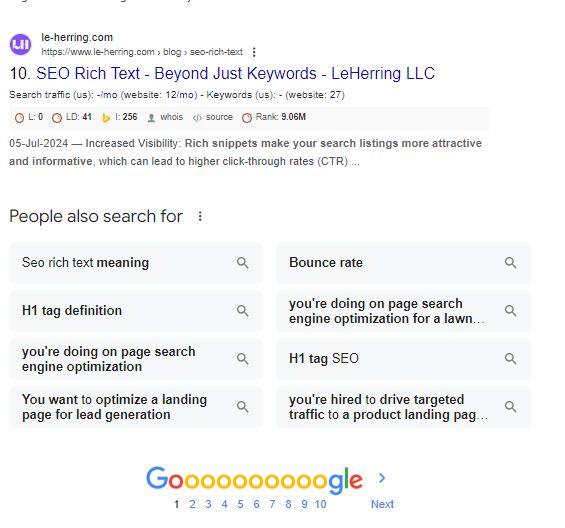
To ensure your SEO-rich text strategy is effective, it’s important to track its performance using various metrics.
Key Metrics to Track
Metrics such as organic traffic, click-through rates, bounce rates, and average session duration can provide valuable insights into how well your rich text is performing.
Analyzing User Behavior
Analyzing user behavior with tools like Google Analytics helps you understand how visitors interact with your content. Use this data to make informed adjustments to your strategy.
Future Trends in SEO Rich Text
As SEO evolves, staying ahead of emerging trends is crucial. Here are some future trends to watch in SEO-rich text.
Voice Search Optimization
The rise of voice search means optimizing your content for natural language and conversational queries is becoming more important.
AI and Natural Language Processing
Advancements in AI and natural language processing are changing how search engines interpret content. Emphasizing clear, concise, and contextually relevant rich text will become even more critical.
The Growing Importance of Structured Data
Structured data helps search engines better understand your content and can improve your chances of appearing in rich results like featured snippets. Incorporating structured data into your rich text strategy is becoming increasingly important.
Conclusion
Implementing SEO-rich text in your content strategy is a powerful way to enhance your search engine rankings and boost user engagement. By focusing on key elements such as keyword optimization, readability, and multimedia integration, you can create content that not only ranks well but also provides real value to your audience. Remember, the goal of SEO-rich text is to create a seamless, engaging experience that meets both search engine standards and user needs.
FAQs
What is the difference between rich text and plain text in SEO?
Rich text includes formatting elements such as headings, links, and multimedia, making it more engaging and SEO-friendly compared to plain text, which lacks these enhancements.
How does rich text improve SEO?
Rich text improves SEO by enhancing the readability, engagement, and structure of your content, which are critical factors that search engines consider when ranking pages.
Can too much rich text harm my SEO rankings?
Overusing rich text elements can make content overwhelming and slow down page loading times, which may negatively impact SEO. The key is to use rich text elements thoughtfully and purposefully.
What tools are best for optimizing rich text for SEO?
Tools like Google Keyword Planner, Yoast SEO, Grammarly, and Google Analytics are excellent for optimizing rich text