
Introduction
Google Colors: Pay-per-click (PPC) advertising is a model of internet marketing where advertisers pay a fee each time their ad is clicked. PPC ads are a way of buying visits to your site, rather than earning those visits organically. The colors you use in these ads play a crucial role in attracting attention and influencing consumer behavior. Google’s color palette, featuring blue, red, yellow, and green, is a prime example of using color effectively in branding. These colors are carefully chosen to convey trust, innovation, energy, and growth.
Understanding Google Colors
Google’s colors are not just visually appealing; they have a psychological impact:
- Blue (#4285F4): Symbolizes trust, reliability, and professionalism.
- Red (#EA4335): Conveys passion, excitement, and urgency.
- Yellow (#FBBC05): Evokes happiness, clarity, and warmth.
- Green (#34A853): Represents growth, balance, and harmony.
These colors have remained consistent over the years, representing Google’s identity and mission. They are familiar and evoke positive associations, making them powerful tools in advertising.
The Impact of Color in Advertising
Color significantly influences consumer behavior, affecting perceptions, emotions, and purchase decisions. Research indicates that color can increase brand recognition by up to 80% and boost visual appeal. For instance, blue is often associated with trust, making it a popular choice for financial institutions and tech companies, while red creates a sense of urgency and excitement, often used by brands like Coca-Cola.
Why Use Google Colors in Your Logo?
Using Google Colors in your logo can enhance brand recognition and trust. These colors are widely recognized and associated with a reputable brand, which can positively influence consumer perception. Additionally, Google Colors are modern and relevant in today’s digital landscape, helping your brand stay current and appealing to tech-savvy audiences.
Designing Logos with Google Colors
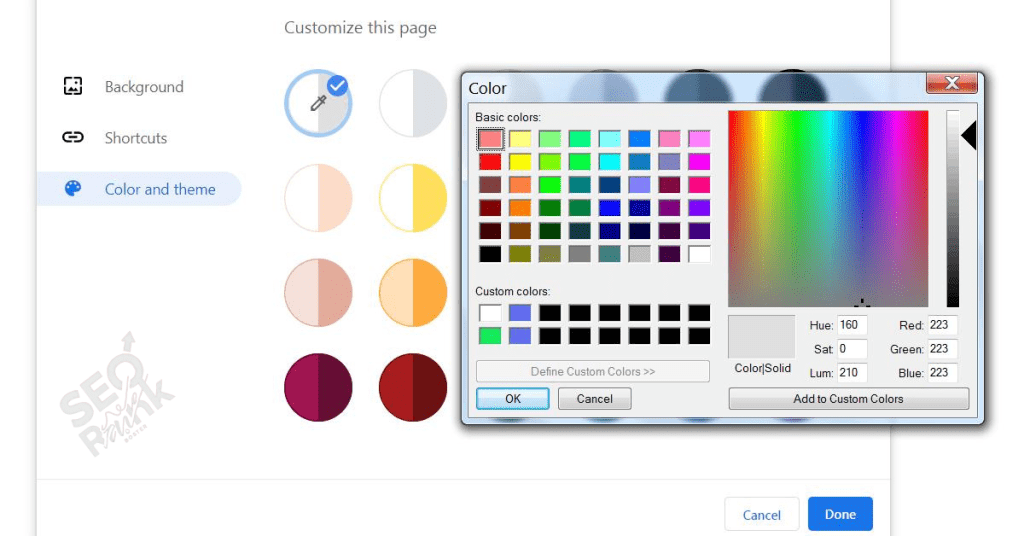
When designing a logo with Google Colors, it’s essential to select the right combination that aligns with your brand’s message and values. Consider the psychological impact of each color and how they work together. Balance color combinations to ensure your logo is visually appealing and cohesive. Use design tools like Adobe Illustrator, Canva, and Figma to create your logo. Keep your logo simple and memorable, using color strategically to draw attention to key elements.
Case Studies: Successful Brands Using Google Colors
Several top brands have successfully integrated Google Colors into their logos and branding. For example, eBay’s logo features similar colors, creating a vibrant and recognizable identity. These brands often experience increased brand recognition and positive consumer perception, as the familiar and trusted color palette enhances brand loyalty and trust.
Implementation in PPC Ads
Integrating Google Colors into your PPC ad campaigns can increase click-through rates and engagement. Use these colors in your ad visuals, text, and call-to-action buttons. Follow best practices for PPC ad design by ensuring your ads are visually appealing, relevant, and compelling. A/B testing can help determine the effectiveness of different color combinations in your PPC ads. Test variations of your ads with different colors to see which ones perform best.
Technical Aspects of Color Usage
Understanding color coding and hex values is essential for maintaining consistency in your logo design. Use the correct hex values for Google’s colors to ensure accuracy. Ensure that your colors are compatible with various digital platforms and devices. Accessibility is crucial in design, so make sure your color choices provide sufficient contrast for readability and are accessible to people with color blindness.
Tools and Resources
Online tools like Adobe Color, Coolors, and Color Hunt can help you select and create color palettes. Design software like Adobe Illustrator, Photoshop, and Sketch are essential for creating professional logos. Tutorials and guides on platforms like YouTube, Udemy, and Skillshare offer step-by-step instructions on using color in design. Community resources and forums like Behance, Dribbble, and Reddit can provide inspiration and feedback on your designs.
FAQs
How do Google Colors improve PPC ad performance? Google Colors enhance PPC ad performance by increasing visibility, recognition, and trust. These colors are familiar to users and can evoke positive associations.
Can I use Google Colors for non-digital advertising? Yes, Google Colors can be used for non-digital advertising. Their bright and bold appearance can make print ads, billboards, and other marketing materials stand out.
What are the best practices for using color in branding? Best practices for using color in branding include understanding color psychology, maintaining consistency, and ensuring accessibility. Use colors that align with your brand values and appeal to your target audience.
How do I ensure my logo remains unique with these colors? To ensure your logo remains unique, focus on the overall design, typography, and layout. Use Google Colors creatively and avoid replicating existing designs.
Are there any cultural considerations for using specific colors? Yes, colors can have different meanings in different cultures, so research your target audience to ensure your color choices are appropriate.
Conclusion
Color is a powerful tool in PPC ads, influencing consumer behavior and enhancing brand recognition. Using Google Colors in your logo can increase engagement and conversion rates, making your brand more recognizable and trusted. Experiment with these colors in your branding and PPC ads to see the impact. Continue learning about color theory and design to create compelling and effective marketing materials.