
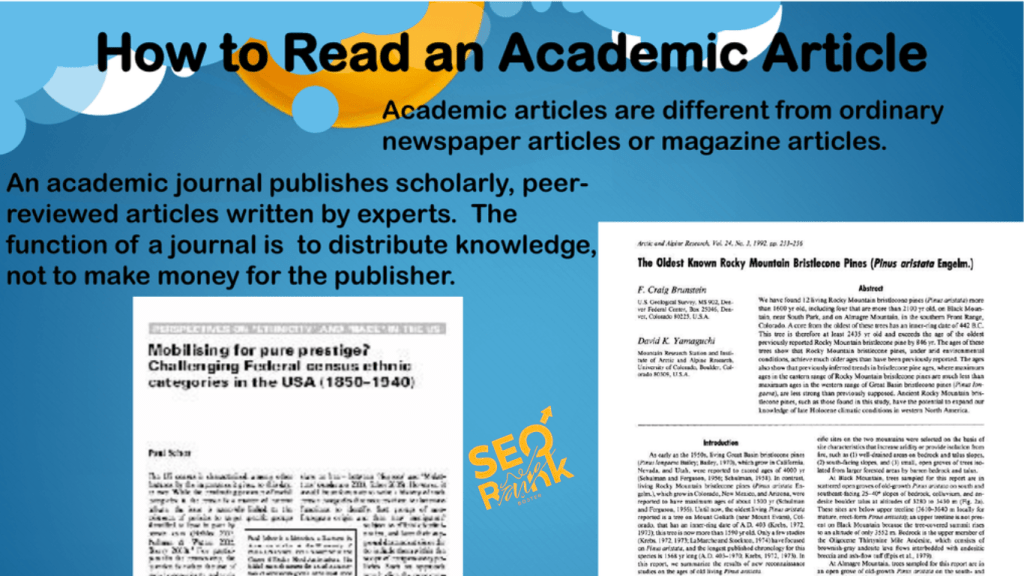
Creating effective headings is essential for crafting engaging and SEO-friendly articles. Headings guide your readers through the content, highlight key points, and improve the readability of your article. Here, we’ll delve into the nuances of writing headings and subheadings, explore their types, and provide you with actionable tips to make your headings stand out.
Importance of Headings in an Article
The Role of Headings
Headings play a pivotal role in structuring your content. They break down the text into manageable sections, making it easier for readers to navigate through the article. Good headings capture the reader’s attention and provide a snapshot of the content.
Benefits of Using Headings
Using headings enhances the user experience and boosts SEO. Search engines use headings to understand the structure and main points of your content. Well-crafted headings can improve your article’s ranking on search engine results pages (SERPs) and increase the likelihood of your content being read and shared.
Types of Headings
Main Headings (H1)
The H1 heading is the primary title of your article. It should be unique, descriptive, and include the main keyword. For example:
Example of a Main Heading: How to Write Effective Article Headings for SEO Success
Subheadings (H2)
H2 headings divide the main sections of your content. They should also include relevant keywords and provide a clear indication of what the section covers.
Example of a Subheading: Types of Headings and Their Importance
Sub-subheadings (H3)
H3 headings further break down the content within H2 sections. They offer more detail and help organize complex information.
Example of a Sub-subheading: Benefits of Using Subheadings in Your Content
Additional Headings (H4)
H4 headings are used for further subdivisions within H3 sections. They are particularly useful for detailed or technical articles.
Example of an Additional Heading: How to Optimize H3 Headings for Better SEO
Examples of Headings
Creative Main Headings
A creative main heading should be compelling and hint at the value the reader will get from the article. For instance:
10 Proven Strategies to Improve Your Blog’s Traffic
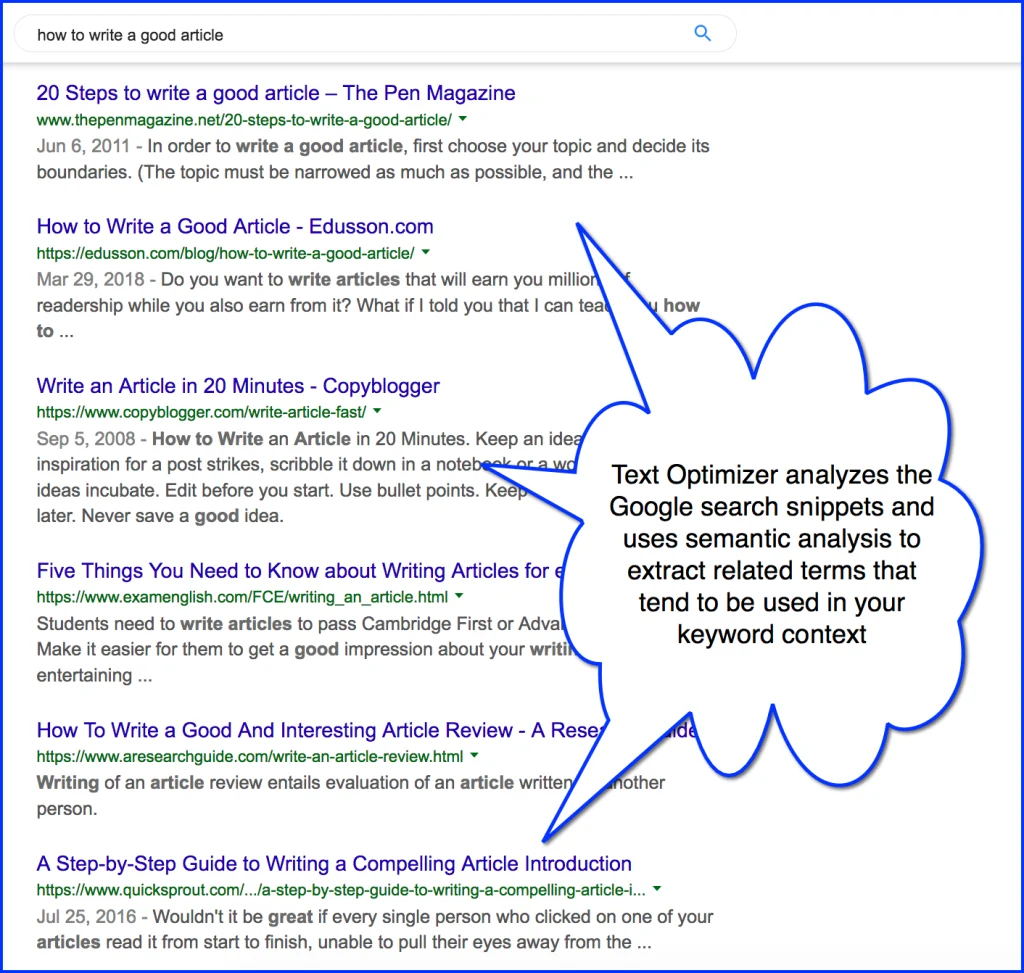
Engaging Subheadings
Engaging subheadings should be intriguing and encourage the reader to continue. For example:
Why Headings Matter More Than You Think
Designing Topic Headings
Using Keywords
Incorporate keywords naturally into your headings. This improves SEO and ensures your content aligns with what readers are searching for.
Keeping It Relevant
Ensure your headings accurately reflect the content of the section. Misleading headings can frustrate readers and increase bounce rates.
How to Structure Headings for SEO
Keyword Placement
Place primary keywords near the beginning of your headings. This helps search engines quickly identify the main topic of your content.
Using Synonyms
Using synonyms and related terms in your headings can help reach a broader audience and avoid keyword stuffing.
Best Practices for Writing Headings
Be Clear and Concise
Headings should be straightforward and to the point. Avoid unnecessary words and jargon.
Avoid Keyword Stuffing
While it’s important to include keywords, overloading your headings with them can hurt your SEO and readability.
Common Mistakes to Avoid
Overusing Keywords
Overuse of keywords can make your headings sound unnatural and spammy. Balance is key.
Vague Headings
Vague headings fail to inform the reader about the content of the section. Be specific and clear.
How to Use Headings to Enhance Readability
Breaking Up Text
Headings break up large blocks of text, making your article more digestible and easier to scan.
Guiding the Reader
Effective headings guide the reader through your content, helping them find the information they need quickly.
Impact of Headings on User Engagement
Increasing Dwell Time
Well-structured headings can keep readers on your page longer, increasing dwell time and improving SEO.
Reducing Bounce Rate
Clear and engaging headings can reduce bounce rates by encouraging readers to stay and explore your content.
The Art of Crafting Catchy Headings
Using Power Words
Incorporate power words that evoke emotion and curiosity, such as “ultimate,” “proven,” or “essential.”
Adding Emotional Triggers
Headings that tap into the reader’s emotions can significantly increase engagement. Use words that evoke feelings like excitement, fear, or joy.
Tools for Creating Effective Headings
Headline Analyzers
Use tools like CoSchedule’s Headline Analyzer to score your headings and get suggestions for improvement.
Keyword Research Tools
Tools like Ahrefs and SEMrush can help you find relevant keywords to incorporate into your headings.
Real-World Examples of Effective Headings
Case Studies
Look at successful articles in your niche to see how they use headings. Analyze what works and try to incorporate similar strategies into your writing.
Popular Blogs
Popular blogs often have well-crafted headings that draw readers in. Study their techniques and adapt them to your style.
Conclusion
Writing effective headings is both an art and a science. By understanding the importance of headings, using them correctly, and following best practices, you can create engaging, SEO-friendly content that stands out. Remember to be clear, concise, and relevant, and always keep your readers in mind.
FAQs
- What is the main purpose of a heading in an article?
Headings help structure the content, making it easier for readers to navigate and for search engines to understand the main points of the article. - How many headings should an article have?
It depends on the length and complexity of the article. A typical article should have at least three to five main headings, with subheadings as needed to break down the content. - Can headings affect SEO?
Yes, headings can significantly impact SEO by improving readability, helping search engines understand the structure of your content, and incorporating keywords. - What are power words in headings?
Power words are words that evoke emotion and curiosity, making your headings more compelling and engaging. - How can I avoid keyword stuffing in headings?
Use keywords naturally and sparingly. Focus on creating headings that are clear and informative rather than forcing too many keywords into them.