
If you’ve ever been hooked on a mobile game or felt the rush of earning points for everyday tasks, you already know the secret behind gamification. It’s the concept of turning Day-to-day tasks into exciting, game-like experiences to boost interaction. But what if you could use that power of play to enhance your marketing and keep your customers coming back for more?
Why Gamification Works: More Than Just Fun
One of the reasons gamification is so effective is because it taps into a psychological need for achievement and reward. When you give customers something to aim for—whether it’s points, badges, or exclusive rewards—you’re feeding into their desire for progress.
Increases Customer Engagement
Gamification introduces an element of fun into everyday customer interactions. By creating missions or challenges, you give users a reason to come back regularly, increasing engagement and interaction.
Strengthens Emotional Connections
Games create positive emotional responses. Gamification builds an emotional connection between the customer and your brand, which is key in turning occasional visitors into loyal, long-term customers.
Boosts User Retention
Offering incentives like points, badges, or discounts makes your brand more memorable. Customers who enjoy their experience will keep coming back, increasing customer retention over time.
How Gamification Enhances Customer Loyalty
Beyond engaging users, gamification is an excellent tool for building loyalty. Think about brands like Starbucks and Nike, who use gamified rewards programs to keep their customers hooked.
Create a Sense of Achievement
Offering a loyalty program where customers can collect points for purchases makes them feel accomplished, and they are more likely to stay engaged and return.
Promote Competition and Sharing
Leaderboards or group challenges encourage customers to compete, creating a sense of community and excitement.
Personalized Rewards and Challenges
Offering customized rewards based on customer preferences makes the experience more enjoyable and increases loyalty.
Interactive Learning Tools
Introducing interactive learning as part of your gamification strategy can engage users and provide added value.
Use AI for Tailored Gamification
AI can create personalized gamification experiences by analyzing customer behavior and tailoring challenges and rewards.
Incorporating Sustainability Challenges
Integrating sustainability challenges into your gamification strategy can build deeper loyalty with environmentally conscious customers.
Examples of Gamification in Action: Learning from the Best
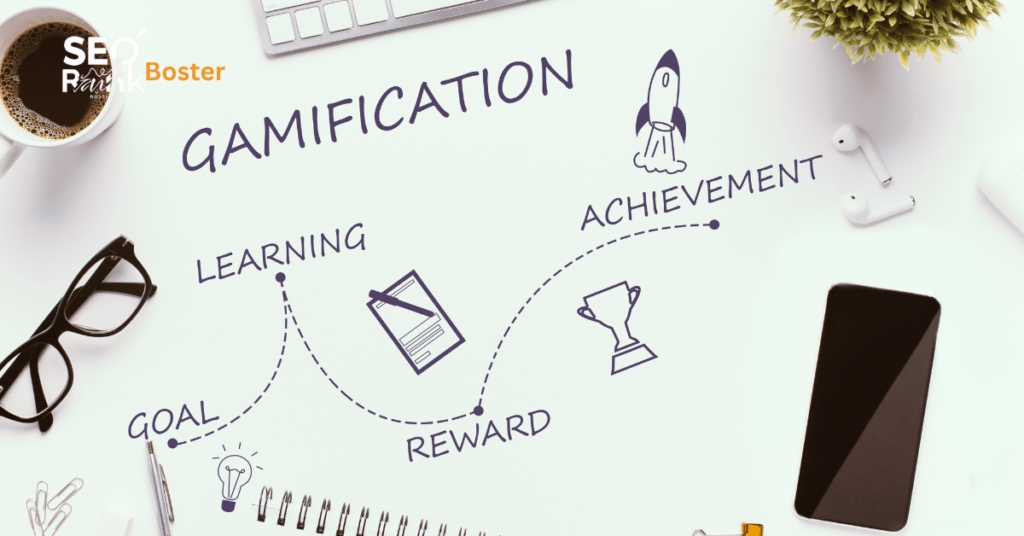
To illustrate how gamification works, here are examples of successful brands:
H3: Starbucks Rewards Program
Customers collect stars for every purchase and redeem them for free drinks or snacks, keeping users engaged and loyal.
Nike Run Club
Nike’s app offers personalized challenges, leaderboards, and rewards for fitness achievements, keeping users motivated and loyal to the brand.
Actionable Tips to Get Started with Gamification
Ready to try gamification? Here are a few tips:
Define Your Goals
Be clear about what you want to achieve, whether it’s increasing user engagement or driving sales.
Offer Meaningful Rewards
Offer exclusive discounts, early access to products, or loyalty points that customers can use towards future purchases.
Make it Fun and Easy to Understand
Keep the experience simple, fun, and easy to follow, whether it’s a points-based system or daily challenge.
Add Social Sharing Elements
Encourage customers to share their progress on social media to increase engagement and brand visibility.
Track Your Progress
Use analytics to monitor customer behavior and conversions to improve your strategy.
Conclusion: Why Gamification is Essential for Customer Engagement
In today’s competitive landscape, keeping customers engaged is tough. Gamification can help by turning ordinary tasks into fun, rewarding experiences. By using personalized gamification, sustainability challenges, and strategies like AI-driven personalization, you can stay ahead of the competition and build stronger customer connections.
FAQs
Q: What is gamification in marketing?
A: Gamification in marketing is the practice of adding game-like elements—such as rewards, points, and challenges—into non-game environments like apps, websites, or customer loyalty programs to encourage user engagement and interaction.
Q:1 How does gamification increase customer engagement?
A: Gamification increases customer engagement by making routine or ordinary tasks more fun and rewarding. This keeps users motivated and gives them a reason to interact more frequently with your brand.
Q:2 Can small businesses use gamification?
A: Yes, small businesses can use gamification too! Even simple gamified elements like points for purchases or a rewards program can make a big difference in customer loyalty and engagement.
Q:3 What are examples of gamification in customer engagement?
A: Popular examples include Starbucks’ loyalty program, which rewards customers with stars for purchases, or Nike’s Run Club app, which offers personalized fitness challenges and leaderboards.
Q:4 How do I start using gamification in my business?
A: To get started, define your business goals, create a simple rewards or points system, offer meaningful rewards, and track your progress to see what works best for your audience.
Q:5 What types of rewards work best in gamification?
A: Rewards that offer real value to the customer, like discounts, free products, or exclusive access to services, work best. Personalized rewards based on customer preferences also tend to be more effective.