
Table of Contents
ToggleIntroduction
Business-to-business (B2B) marketing is the art of selling products or services to other businesses or organizations. In today’s competitive landscape, B2B marketing goes beyond cold calls and traditional ads—it demands a strategic approach, data-driven insights, and innovative techniques.
This article offers a complete guide to understanding and mastering B2B marketing, ensuring your strategies are more effective, adaptable, and impactful than ever before. Whether you’re new to B2B marketing or looking to refine your tactics, this resource is packed with insights to help your business thrive.
What Is B2B Marketing?
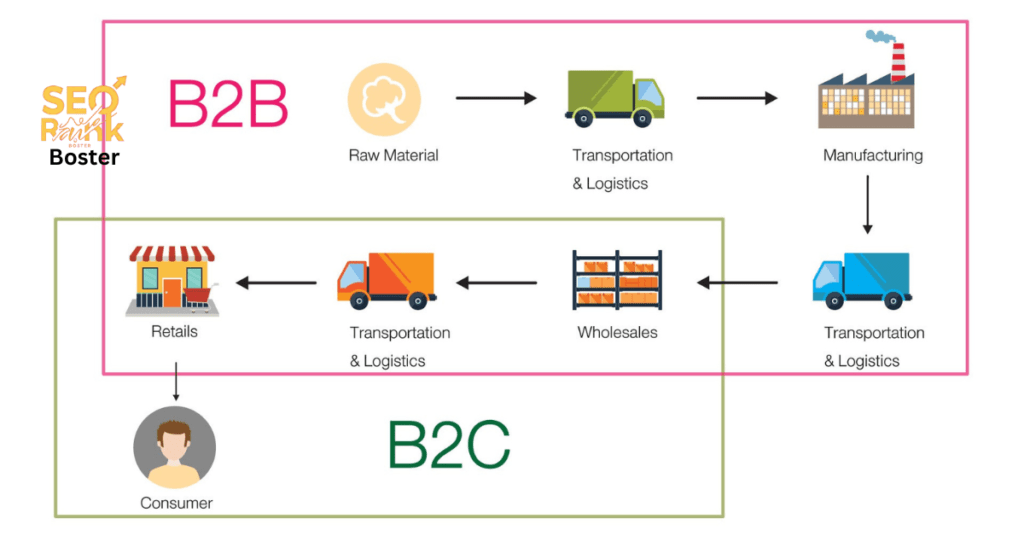
B2B marketing refers to activities that promote and sell products or services from one business to another. Unlike B2C (business-to-consumer) marketing, the primary focus is on addressing the needs, challenges, and goals of other businesses.
For example, a software company providing project management tools to corporations is engaging in B2B marketing. The goal is not just to sell but to foster long-term relationships and trust.
Why B2B Marketing Matters
B2B marketing plays a critical role in driving the global economy. Here’s why it’s important:
- Bigger Deal Sizes: B2B transactions often involve higher monetary values.
- Longer Sales Cycles: Building trust and demonstrating value take time, making effective marketing essential.
- Collaboration and Innovation: B2B marketing fosters partnerships that lead to innovation across industries.
Key Features of B2B Marketing
1. Focus on Rational Decision-Making
B2B buyers prioritize facts, ROI, and logical reasoning over emotional appeal. They seek evidence of how your offering will benefit their organization.
2. Longer Sales Cycles
B2B sales cycles can stretch over weeks or months, involving multiple decision-makers. Marketing strategies must be designed to sustain engagement throughout the process.
3. Value-Driven Communication
Highlight how your solution solves specific problems, improves efficiency, or drives growth for the target business.
B2B vs. B2C Marketing
| Aspect | B2B Marketing | B2C Marketing |
| Target Audience | Businesses | Individual Consumers |
| Decision Drivers | Logic, ROI, Efficiency | Emotions, Desires |
| Sales Cycle | Longer | Shorter |
| Content Style | Educational, Data-Driven | Entertaining, Inspirational |
| Relationship Focus | Long-Term Partnerships | One-Time or Repeat Purchases |
Essential B2B Marketing Strategies
1. Content Marketing
Content marketing educates and informs your audience, establishing your business as an industry authority. Key formats include:
- Blog posts
- Whitepapers
- Case studies
- Webinars
Example: A SaaS company creating a blog on “How to Streamline Your Workflow with Project Management Tools.”
2. Search Engine Optimization (SEO)
SEO ensures your business ranks high on search engines, increasing visibility and credibility. Focus on:
- Targeting industry-specific keywords.
- Optimizing on-page elements like meta tags and headers.
- Creating high-quality, authoritative content.
Pro Tip: Use keywords like “best B2B marketing tools” or “how to improve B2B sales.”
3. Social Media Marketing
While B2C brands dominate platforms like Instagram, B2B businesses excel on LinkedIn, Twitter, and Facebook.
- Share industry insights and thought leadership content.
- Engage with your audience through polls, Q&A sessions, and comments.
- Run targeted ad campaigns to reach decision-makers.
4. Email Marketing
Email campaigns remain a powerful tool for lead nurturing and client communication.
- Personalize your emails based on the recipient’s position or needs.
- Include case studies or testimonials to build credibility.
- Use clear and compelling CTAs.
5. Account-Based Marketing (ABM)
ABM focuses on targeting specific high-value accounts with personalized strategies. Steps to implement ABM:
- Identify your top accounts.
- Customize your marketing approach.
- Align your sales and marketing teams for seamless execution.
6. Paid Advertising
Invest in pay-per-click (PPC) ads and sponsored content to boost visibility.
- Use platforms like Google Ads or LinkedIn Ads.
- Target keywords and industries relevant to your offerings.
- Retarget website visitors with display ads.
Trends Shaping B2B Marketing in 2024
1. AI and Automation
Artificial Intelligence (AI) helps analyze data, automate repetitive tasks, and personalize campaigns.
- Tools like ChatGPT or HubSpot improve engagement.
- Predictive analytics provide insights into buyer behavior.
2. Video Content
Short, informative videos are an effective way to convey complex ideas.
- Create tutorials, product demos, or customer success stories.
- Share on platforms like YouTube or LinkedIn.
3. Sustainability and Corporate Responsibility
B2B buyers increasingly prefer partners who demonstrate ethical practices and sustainability initiatives.
FAQs on B2B Marketing
Q1. What makes a B2B marketing strategy successful?
A strong strategy aligns with the target audience’s pain points, offers clear value propositions, and uses multiple channels for outreach.
Q2. How do you measure B2B marketing success?
Track metrics like lead generation, conversion rates, customer lifetime value (CLV), and return on investment (ROI).
Q3. Which platforms are best for B2B social media marketing?
LinkedIn is the top platform, followed by Twitter and Facebook.
Q4. How can small businesses excel in B2B marketing?
By focusing on niche markets, offering personalized services, and leveraging affordable digital tools.
Conclusion
Mastering B2B marketing involves a mix of creativity, data analysis, and relationship-building. By implementing strategies like content marketing, SEO, and ABM, your business can thrive in today’s competitive market. Remember, the goal is not just to sell but to build trust and deliver solutions that make a real difference for your clients.