
Introduction
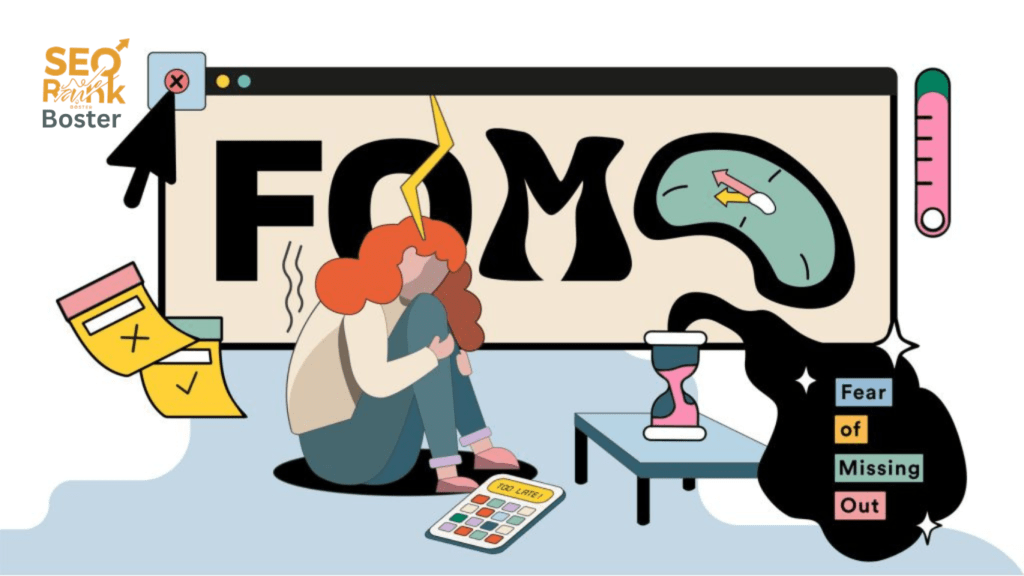
Have you ever been swayed into buying something just because you didn’t want to miss out? It’s likely you’ve experienced FOMO (Fear of Missing Out)—a powerful emotion that drives many of our purchasing decisions. In today’s fast-paced, highly connected world, FOMO has become one of the strongest psychological triggers in the consumer market. Whether it’s the latest tech gadget, a limited-time offer, or a hot product on social media, the fear of missing out is influencing consumer behavior more than ever.
In this blog post, we’ll explore how FOMO drives purchases, how much it actually influences consumer behavior, and why marketers are using it to their advantage. You’ll also discover the underlying psychology behind FOMO and its significant impact on shopping trends. Let’s dive in!
What Is FOMO and Why Does It Matter?
FOMO stands for Fear of Missing Out, and it’s a psychological phenomenon that describes the anxiety individuals feel when they believe they are missing out on something valuable or trendy. In today’s consumer-driven world, FOMO is often linked to the pressure of keeping up with trends, social media influencers, or even exclusive sales events.
FOMO plays a significant role in purchasing decisions, as it compels individuals to make impulsive decisions to avoid feeling left behind. When consumers see others engaging in something that seems exclusive or limited, it taps into their innate desire to belong or to have access to what others have.
Understanding FOMO marketing is crucial for businesses. By leveraging this fear, they can drive consumer purchases by making products seem scarce, exclusive, or in high demand.
The Psychology Behind FOMO
FOMO works on a deeply rooted psychological level. At its core, it taps into the human need for social validation and fear of regret. When people see others participating in something, whether it’s an event, a new purchase, or a viral trend, they often feel the need to be part of it, or risk missing out on something that could bring them joy, status, or opportunity.
Psychologically, we also tend to place higher value on things that are scarce or difficult to obtain. This is known as the scarcity principle. Marketers and businesses take advantage of this by creating limited-time offers or exclusive deals that trigger a sense of urgency. This urgency makes it harder for consumers to resist buying, as they don’t want to miss out on a potential opportunity.
How Much Does FOMO Influence Purchases?
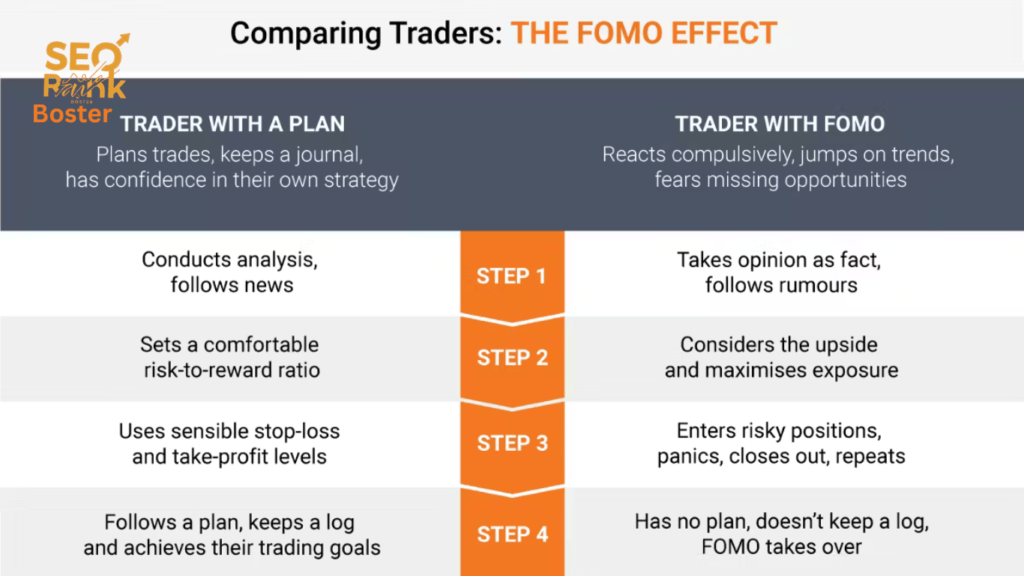
The impact of FOMO on consumer behavior is staggering. Studies reveal that a large percentage of consumers make impulse purchases due to FOMO. According to a survey, about 60% of consumers admit to buying a product just because it was limited edition, or they feared missing out on a flash sale.
Moreover, millennials and Gen Z are particularly susceptible to FOMO, with research showing that 45% of millennials have bought something after seeing it on social media, driven by the fear of missing out. As online shopping continues to grow, FOMO plays an even bigger role in encouraging quick, impulse buying decisions.
Statistics: The Impact of FOMO on Consumer Behavior
To further understand the reach of FOMO, let’s explore some key statistics:
- 60% of online shoppers make purchases driven by FOMO related to limited-time offers, exclusive deals, or a product’s popularity.
- 45% of millennials report that social media posts showcasing trendy products trigger FOMO-driven purchases.
- 30% of consumers admit to buying something during flash sales because they didn’t want to miss out.
These statistics reveal that FOMO is a major driver in influencing purchasing habits, especially in an online retail environment where consumers are constantly exposed to new products and time-sensitive promotions.
The Role of Social Media in FOMO Purchases
Social media has become a key player in driving FOMO-based purchases. Platforms like Instagram, Facebook, TikTok, and Twitter create a sense of urgency by showcasing products, events, or experiences that others are participating in. Social media influencers, in particular, have a unique ability to stir up FOMO by promoting exclusive products or flash sales that create a sense of “if you don’t act now, you’ll miss out.”
Brands leverage this by creating posts, ads, and content that show the scarcity or exclusivity of their products. When consumers see items marketed as rare or in high demand, they feel a compelling need to act quickly and make a purchase before it’s too late.
FOMO in the Age of Online Shopping
With the rise of e-commerce, FOMO has become a prominent part of online shopping behavior. E-retailers use countdown timers, limited-stock notifications, and exclusive deals to trigger impulse purchases. Websites like Amazon and eBay make use of countdowns and highlight how many items are left in stock to create a sense of urgency.
Sites like Groupon and Flash Sale also capitalize on FOMO by offering time-sensitive discounts on travel, experiences, and products, making consumers feel they must act fast.
How Marketers Use FOMO to Boost Sales
Marketers use FOMO marketing techniques to persuade consumers to make faster purchasing decisions. Here’s how they do it:
- Limited-Time Offers: Creating a sense of urgency by making products or discounts available only for a short period.
- Exclusive Access: Offering early bird or VIP access to specific items, creating a sense of privilege.
- Flash Sales: Limited-time sales that appear unexpectedly, making customers feel like they must purchase before time runs out.
- Social Proof: Showing how many people are purchasing an item or how many are left in stock encourages others to act quickly.
By triggering FOMO, marketers use these tactics to drive consumer demand and increase conversions.
Real-Life Examples of FOMO-Driven Purchases
FOMO-driven purchases are everywhere. One example of FOMO marketing in action is Black Friday or Cyber Monday sales. These major events leverage scarcity, making shoppers feel they need to act fast to grab a deal before it’s gone.
Another example is the Adidas x Kanye West sneaker releases, where a limited number of sneakers are made available. The scarcity of these products leads to high demand and FOMO-driven purchasing.
FOMO and Limited-Time Offers: A Match Made in Heaven
Limited-time offers are one of the most effective ways to induce FOMO. By creating a window of time in which an item is available, marketers trigger a sense of urgency in consumers. This fear of missing out on a good deal is often enough to prompt quick buying decisions.
The Dark Side of FOMO
While FOMO can lead to impulsive purchases, it also has a dark side. Consumers can experience regret or financial strain after buying something they didn’t need. FOMO can encourage overconsumption and buyer’s remorse, leading to emotional distress.
Additionally, excessive FOMO can result in a lack of financial planning, where consumers prioritize trends over long-term financial goals.
How to Avoid FOMO-Induced Purchases
To avoid making purchases based on FOMO, try the following:
- Set a Shopping Budget: Limit your spending by sticking to a budget that works for you.
- Think Before You Buy: Pause and reflect if the purchase is something you genuinely need or just a reaction to FOMO.
- Follow Mindful Brands: Follow brands that reflect your values rather than chasing every trend.
By following these tips, you can avoid the trap of impulse buying driven by FOMO.
Conclusion
FOMO is a powerful psychological trigger that drives consumer behavior in today’s marketplace. Whether it’s triggered by limited-time offers, social media trends, or exclusive access, FOMO has become a marketing tool that businesses use to drive sales. While it can lead to impulsive purchases, understanding how it works and learning to recognize it can help consumers.