
Table of Contents
ToggleIntroduction
Are you running an online store but struggling to climb Google’s rankings? You’re not alone. Many e-commerce businesses underestimate the role of an SEO-friendly platform in their success. Without the right foundation, even the best marketing efforts can fall flat.
In this guide, we’ll break down everything you need to know about selecting the best e-commerce platform for SEO. From understanding SEO essentials to comparing popular platforms, we’ve got you covered. Let’s get started and simplify this process together.
Understanding SEO and Its Role in E-Commerce
What is SEO?
Search Engine Optimization, or SEO, is the art of making your website more visible to search engines like Google. For e-commerce, it means optimizing your online store to attract more organic traffic, leading to higher sales and visibility.
Why SEO is Crucial for Online Stores
Imagine your website is a physical store. SEO is like the signage, location, and promotions that make your shop easy to find and hard to miss. Without it, your store might exist but remain unseen by customers.
Key Ranking Factors for E-Commerce
Some ranking factors you must keep in mind include:
- Page speed: Nobody likes a slow website.
- Mobile-friendliness: Google prioritizes mobile-first indexing.
- Content relevance: Are you providing value to your visitors?
- Backlinks: They act as endorsements from other websites.
By understanding these basics, you’ll see why picking the right platform is a game-changer.
The Key Features of an SEO-Friendly E-Commerce Platform
Mobile Responsiveness
Your platform must adapt to different screen sizes seamlessly. With over 50% of online traffic coming from mobile devices, this isn’t optional anymore.
Fast Loading Speed
Customers won’t wait for a slow page to load, and neither will Google. Platforms like Shopify and BigCommerce excel here with optimized hosting solutions.
Customizable URL Structures
URLs should be clean and descriptive. Platforms that allow you to create custom URLs (like WooCommerce) make it easier to rank higher.
SSL Certifications
Trust is a ranking signal. Platforms that include SSL (HTTPS) protect customer data and signal reliability to search engines.
Comparing Popular E-Commerce Platforms for SEO
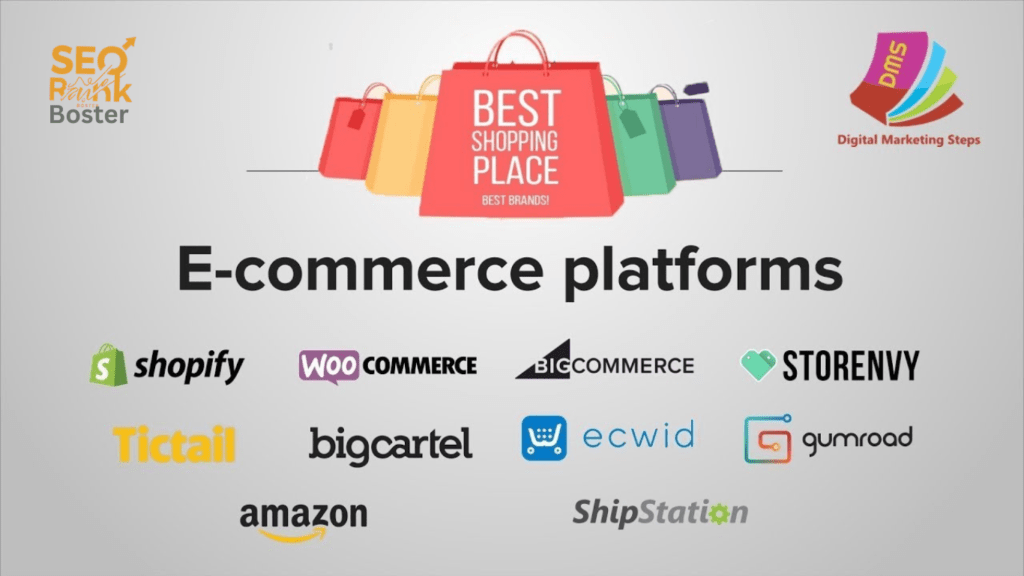
Shopify
Shopify is known for its ease of use and built-in SEO tools. Features like automatic sitemaps and SSL certificates are a plus. However, its limited customization can be a hurdle for advanced SEO needs.
WooCommerce
WooCommerce, a WordPress plugin, offers unmatched flexibility. You can customize everything from URLs to metadata. The downside? It requires more technical knowledge to set up and optimize.
Magento (Adobe Commerce)
Magento is perfect for large-scale e-commerce businesses. It offers advanced SEO options but comes with a steeper learning curve and higher costs.
BigCommerce
BigCommerce strikes a balance between usability and SEO capabilities. Features like customizable robots.txt files and AMP support give it an edge, though it’s less flexible than WooCommerce.
Wix E-Commerce
Wix is beginner-friendly but limited in its SEO prowess. While it’s improving, it still doesn’t compete with platforms like Shopify or WooCommerce in terms of customization.
How to Choose the Best Platform for Your Business Goals
Your choice depends on several factors:
- Budget: WooCommerce is cost-effective, while Magento is better for enterprises.
- Scalability: Think about future growth. Will your platform grow with you?
- SEO Needs: Ensure the platform supports essential optimizations like schema markup and fast speeds.
Remember, no platform is perfect. The key is finding one that aligns with your priorities.
Must-Have SEO Features to Look for in Your Platform
Integrations with Google Tools
The best e-commerce platforms make it easy to connect with Google tools like Analytics and Search Console. These integrations provide valuable insights into traffic, customer behavior, and search performance. For instance, tracking organic clicks and impressions can help you refine your SEO strategy.
On-Page Optimization Tools
Your platform should let you easily edit title tags, meta descriptions, and alt text for images. These small details can have a big impact on rankings. Platforms like WooCommerce excel in providing granular control over these elements, while Shopify’s simpler interface makes basic SEO tweaks more approachable.
Blog Functionality
A built-in blog is an underrated SEO feature. Blogs let you create relevant content, target long-tail keywords, and build authority in your niche. Platforms like WordPress (via WooCommerce) shine in this area, giving you endless customization for content marketing.
Best Practices for Optimizing Your Chosen Platform
Regular Updates and Maintenance
Think of your e-commerce platform as a car—it needs regular servicing to stay in top condition. Update plugins, themes, and security features regularly to ensure smooth performance and top-notch rankings.
Importance of Unique Content
Duplicate content is a big no-no in SEO. Write original product descriptions and use high-quality images. Platforms that allow easy content customization, like Magento and WooCommerce, make this task simpler.
Leverage Social Proof and Reviews
Did you know customer reviews can boost SEO? Search engines love fresh, user-generated content. Platforms with built-in review features (like BigCommerce) make collecting and showcasing reviews seamless.
Common Mistakes to Avoid
Ignoring Technical SEO
Don’t neglect the behind-the-scenes elements. Broken links, missing sitemaps, and unoptimized images can drag down your rankings. Use SEO tools to audit your site regularly and fix these issues.
Overloading Pages with Keywords
Keyword stuffing is outdated and can lead to penalties. Focus on writing naturally while incorporating keywords strategically into headings, descriptions, and body text.
Neglecting Mobile Users
If your platform isn’t mobile-optimized, you’re alienating a massive audience. Plus, Google’s mobile-first indexing means mobile-friendliness directly affects rankings.
Conclusion
Selecting the right e-commerce platform is a critical step toward achieving strong SEO rankings and long-term online success. The best platform for your business will depend on your unique needs, budget, and technical skills. Whether you prioritize ease of use with Shopify, advanced customization with WooCommerce, or enterprise-level capabilities with Magento, each option offers its own set of SEO advantages.
By focusing on features like mobile optimization, fast page speed, SEO-friendly URLs, and built-in tools, you can ensure your e-commerce store is well-equipped to compete in search results. Take the time to evaluate your goals and choose a platform that supports not just your current needs but your future growth as well.
With the right e-commerce platform, SEO becomes much easier, helping your business connect with customers and thrive in a competitive online landscape. Choose wisely and set your online store on the path to success.