

A service page is a dedicated part of a website that describes the services a business offers to its customers. These pages give visitors detailed information about each service, outlining the benefits, features, and potential outcomes. The goal of a service page is to provide clear and persuasive information that encourages visitors to take action—whether that’s making a purchase, scheduling a consultation, or requesting a quote.
Service pages are often overlooked but can be one of the most powerful tools for converting visitors into customers. They help visitors understand exactly how a business can meet their needs and solve their problems.
Why is a Service Page Important?
Service pages play a critical role in the customer journey. Visitors come to the website with specific needs, and a well-crafted service page directly addresses those needs. If a visitor is looking for a particular service, they want information that’s easy to find, clear, and relevant.
Here’s why service pages are so important:
- Improves User Experience: By providing detailed information in one place, visitors don’t have to search through different pages for answers. Everything they need to know about a service is clearly presented.
- Boosts Conversions: A well-designed service page guides visitors toward making a decision. By addressing concerns and highlighting benefits, it encourages them to take the next step, whether that’s contacting you, booking a consultation, or purchasing a service.
- SEO Benefits: Properly optimized service pages can help improve search engine rankings. This means that your business will appear higher in search results when people look for services like yours, driving more organic traffic to your site.
- Builds Trust and Authority: Service pages provide an opportunity to show your expertise. Detailed descriptions, testimonials, case studies, and clear CTAs help build credibility, making visitors feel more confident in choosing your business.
Key Features of a Service Page
An effective service page doesn’t just list what you offer—it shows why your services are the best solution for potential customers. Here are the key features every service page should have:
- Clear and Descriptive Title: The title of the service page should clearly explain what the service is. Avoid vague or generic titles like “Our Services.” Instead, use something specific like “Professional SEO Services to Boost Website’s Traffic.”
- Overview of the Service: Start with a clear explanation of what the service is and how it works. This section should provide enough information for a visitor to understand what the service entails, even if they are unfamiliar with the specifics.
- Benefits of the Service: Highlight the benefits of using the service. Focus on how it solves the customer’s problems or meets their needs. For example, instead of just listing the features of SEO service, explain how it will help the customer increase their website’s visibility, attract more traffic, and generate leads
. - Call to Action (CTA): A strong CTA is critical. This can be a button or a link that encourages the visitor to take the next step. Examples include “Get a Free Consultation,” “Contact Us Today,” or “Book Your Service Now.” Place CTAs throughout the page, especially at the end of important sections.
- Client Testimonials and Reviews: Including social proof like client testimonials or case studies can significantly boost trust. If previous customers have had positive experiences with your services, showcase their feedback to give potential clients confidence in their decision.
- Visuals and Media: Use visuals like images, infographics, or videos to enhance the page. A short explainer video, for example, can simplify complex services, making it easier for visitors to understand how they work. High-quality visuals also make the page more engaging.
- Detailed Pricing (if applicable): If your service offers tiered pricing or packages, clearly explain each option. Transparency around pricing helps build trust and can speed up the decision-making process.
- Frequently Asked Questions (FAQs): Anticipate common questions and address them in a FAQ section. This saves the visitor time and reduces friction by providing immediate answers to concerns they may have.
How to Structure a Service Page
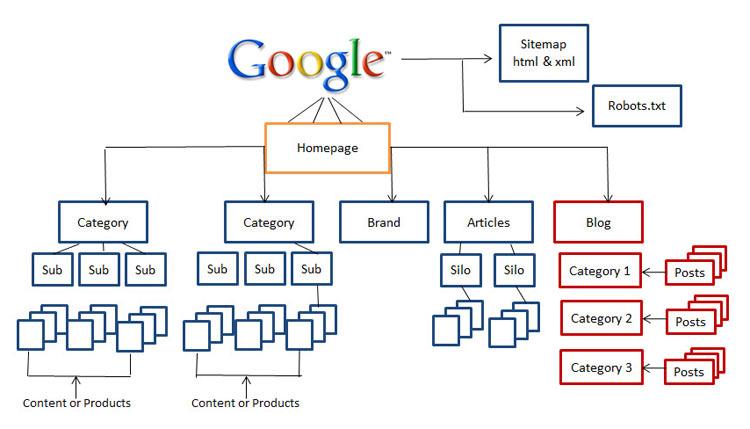
The structure of your service page should be clear and easy to navigate. Here’s a simple structure you can follow to ensure all essential information is covered:
- Introduction: Start with a brief overview of the service and what visitors can expect from it.
- Service Details: Dive into the specifics of the service, including features and benefits.
- Social Proof: Include testimonials, case studies, or any type of customer feedback.
- Call to Action: Place CTAs strategically throughout the page to guide users toward taking action.
- FAQs: Address common questions to reduce any hesitation or uncertainty.
SEO Best Practices for Service Pages
Optimizing service pages for search engines is essential for increasing visibility and driving more traffic to your website. Here are some SEO best practices to follow:
- Use Target Keywords: Identify relevant keywords for your service and include them naturally throughout the page. This includes the title, headings, meta description, and body content. For example, if you offer “SEO consulting services,” use variations of this keyword to target different user intents.
- Optimize for Mobile: Ensure that your service page is mobile-friendly. A growing number of users browse the web on mobile devices, and Google prioritizes mobile-optimized sites in its search rankings. Test the page on different screen sizes to ensure it loads quickly and displays correctly.
- On-Page SEO Elements: Make sure to use proper HTML tags like H1 for the main title and H2 or H3 for subheadings. This helps search engines understand the structure of your page and improve its ranking.
- Internal Linking: Link to related services or blog posts within your website. This helps visitors discover more of your content and keeps them engaged for longer periods, which is also a positive signal to search engines.
- Meta Description and Title Tags: Write a concise meta description (150-160 characters) that accurately describes the content of the page. This will appear in search results and can encourage users to click on a link.
Common Mistakes to Avoid
While service pages are essential, there are common mistakes that can reduce their effectiveness:
- Overloading with Keywords: Keyword stuffing not only makes your content hard to read, but it can also hurt your SEO. Use keywords naturally without forcing them into every sentence.
- Lack of Focus: Trying to cover too many services on one page can confuse visitors. Create individual service pages for each offering if possible, to provide more focused and relevant information.
- Weak CTA: A CTA that is too vague or not action-oriented can lead to missed opportunities. Make sure your CTAs are clear and drive visitors to take the next step.
- Ignoring Mobile Users: If your service page isn’t mobile-friendly, you risk losing a significant portion of your audience. Always optimize for mobile devices.
Measuring the Success of a Service Page
Tracking the performance of your service pages is key to improving their effectiveness. Some of the most important metrics to track include:
- Conversion Rate: Measure how many visitors complete a desired action (e.g., contacting you, booking a service). This shows how effective the page is at converting visitors into customers.
- Bounce Rate: A high bounce rate indicates that visitors are leaving the page without interacting. This could mean that the page isn’t providing the information they were looking for.
- Time on Page: The longer visitors stay on the page, the more engaged they are with the content. A low time on page might suggest that your content isn’t resonating with your audience.
Conclusion
A service page is an essential tool for any business looking to communicate its offerings clearly and convert visitors into paying customers. By focusing on providing useful information, building trust through testimonials, and optimizing for SEO, you can create a service page that not only ranks well in search engines but also drives meaningful results for your business. Take the time to structure the page well, keep it simple yet informative, and make sure it meets the needs of your audience.